
 Inquire(

 HOME
Running Apparel Development: Fabrics, Features and Testing for Brands
 2026-10-14

 Sansansun
Running Apparel Development: Fabrics, Features and Testing for Brands
Developing a running apparel collection requires clear decisions about the runner, activity, climate and product purpose. Lightweight construction, moisture management, comfortable seams and practical storage are features brands can evaluate according to those requirements. For hot-weather collections, including those intended for selected Middle Eastern markets, fabric selection should account for temperature, humidity, coverage and wearing conditions.
From moisture-wicking running shirts to supportive leggings and modest running wear, choosing the right materials and construction helps brands build comfortable, durable, and market-ready collections.
How Should Brands Define Their Running Apparel Customer?
A running collection should start with a defined customer and use case. Recreational runners, running-club members and race participants may have different requirements for fit, storage, coverage and garment weight. Brands should validate those requirements with their target customers before deciding the product range.
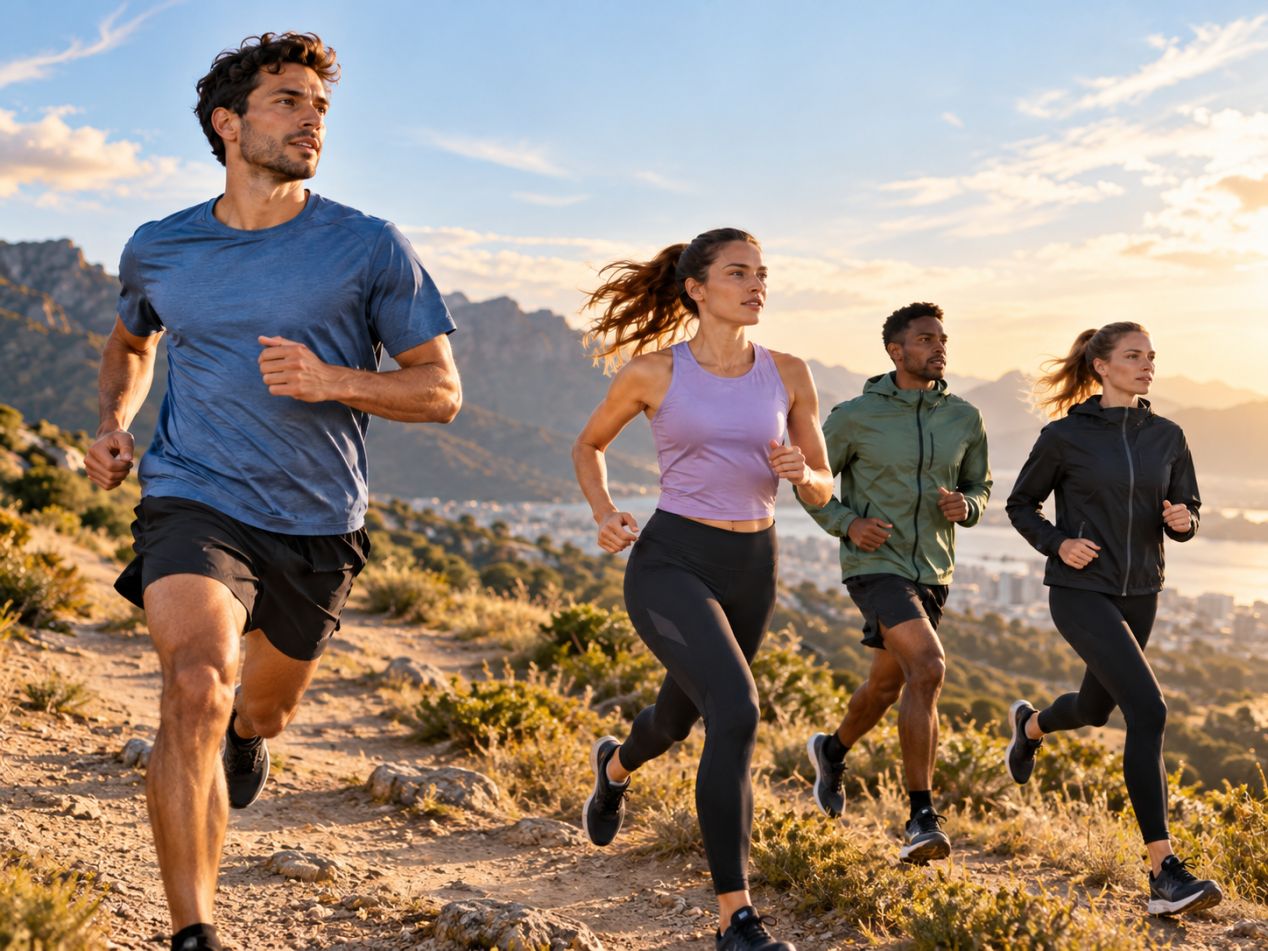
Consumers need clothing suitable for different activities, including short-distance training, long-distance running, and everyday fitness.
For growing activewear brands, a clear customer brief helps determine which products to develop first and which features deserve priority. Running-specific requirements should be assessed directly rather than assumed from an existing gymwear range.
What Running Apparel Should Brands Develop?
A well-planned running collection should combine performance, comfort, and practical features.
Key product categories include:
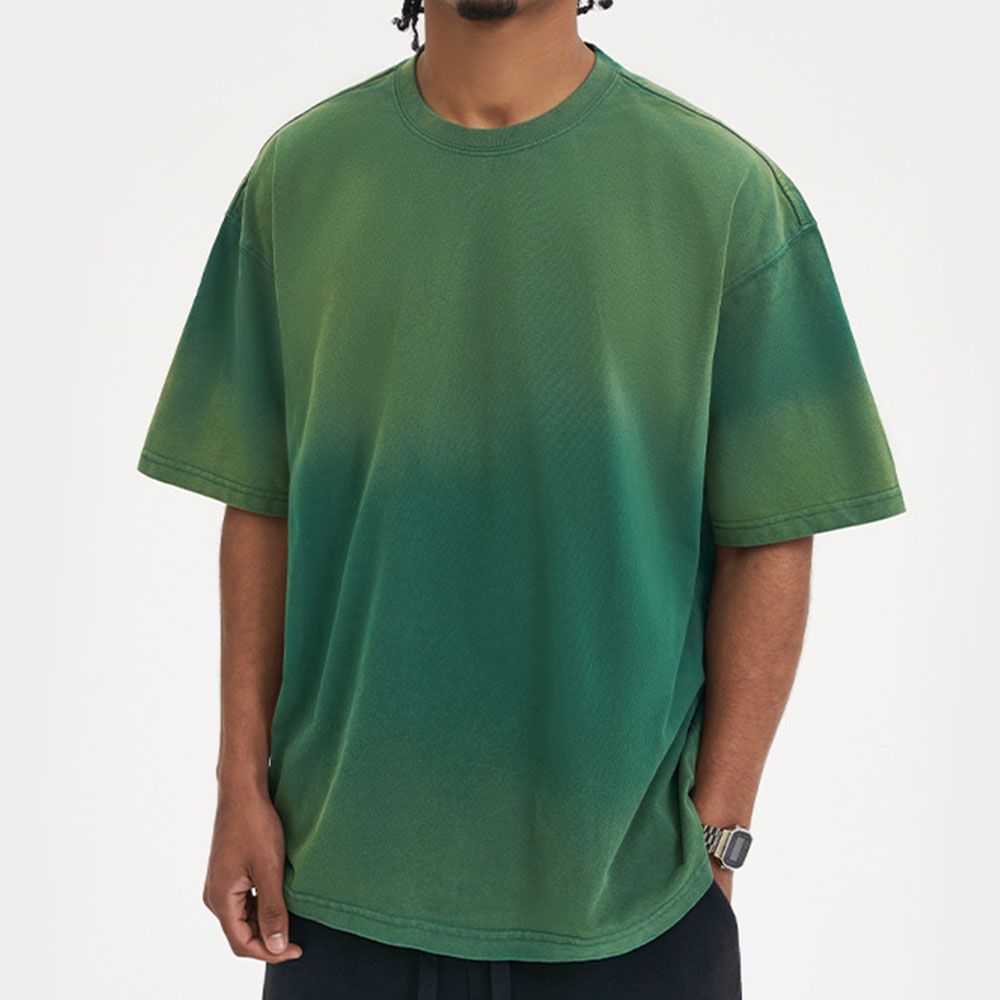
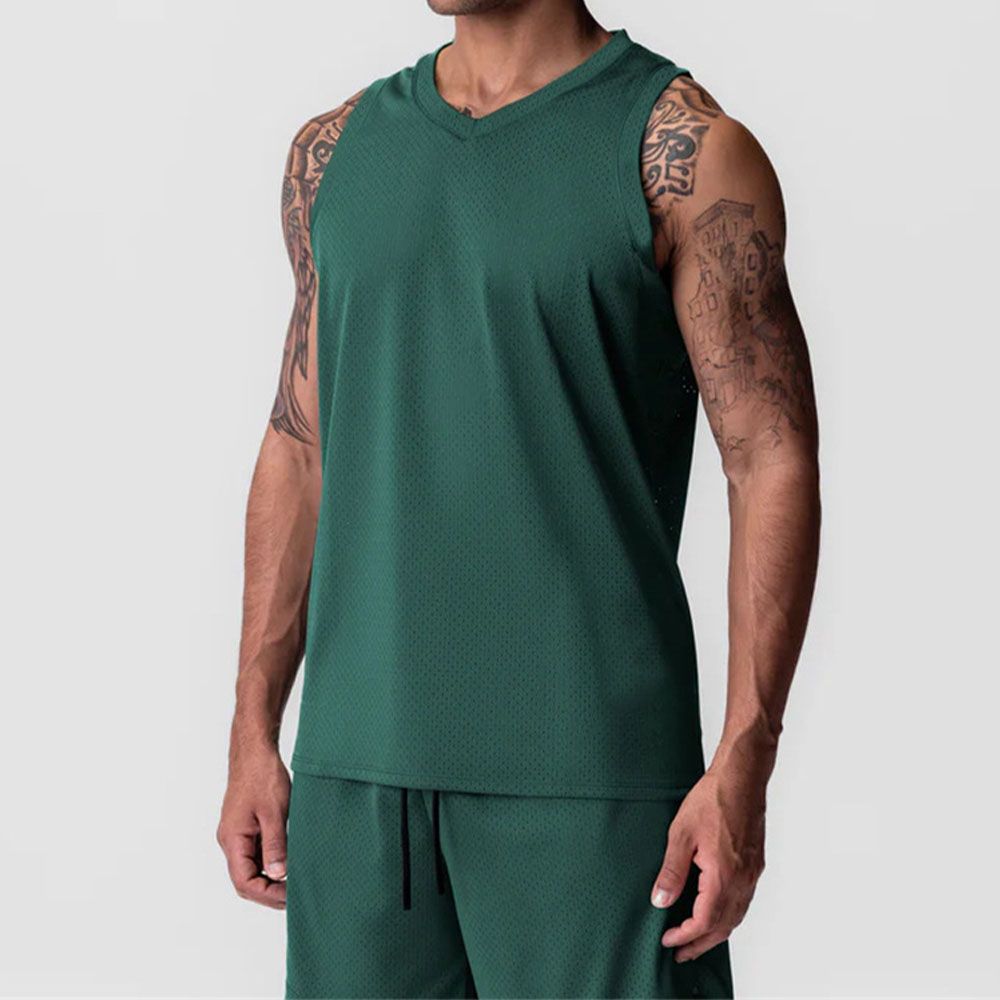
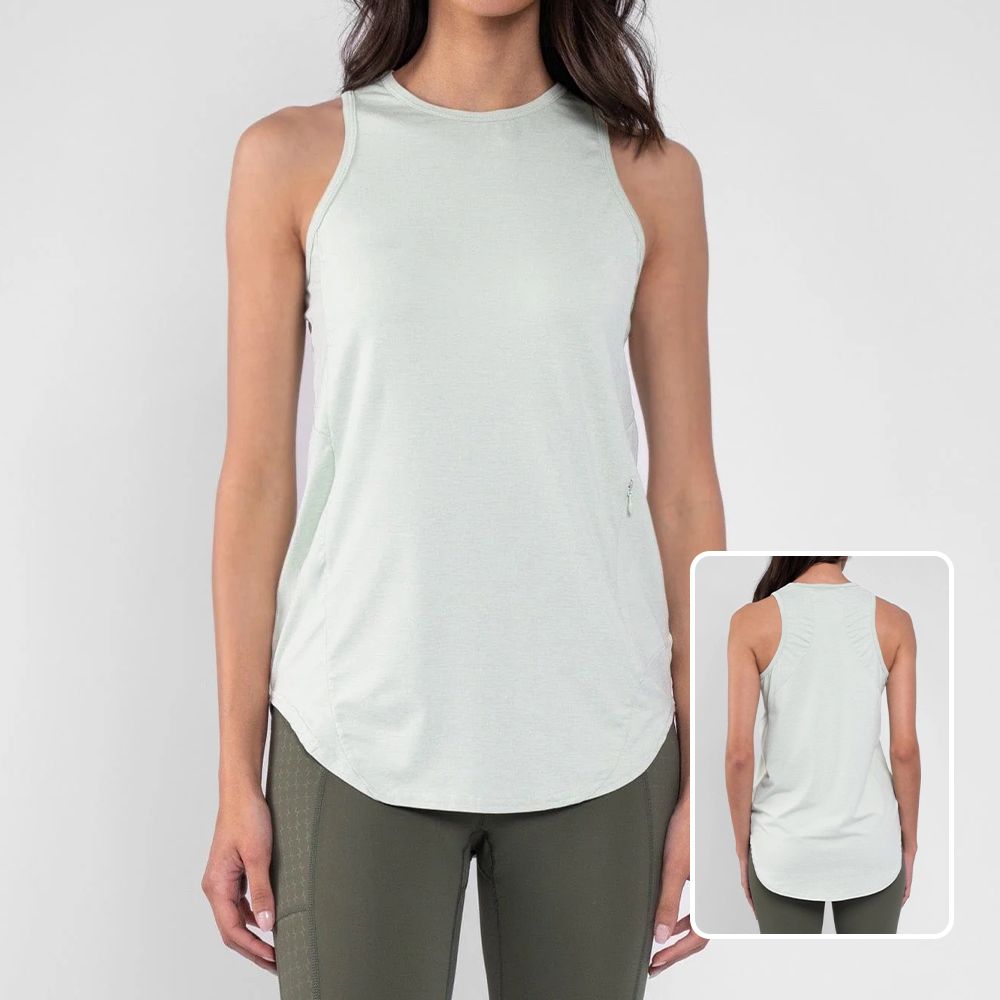
• Running T-shirts: Lightweight fabrics with effective moisture management.
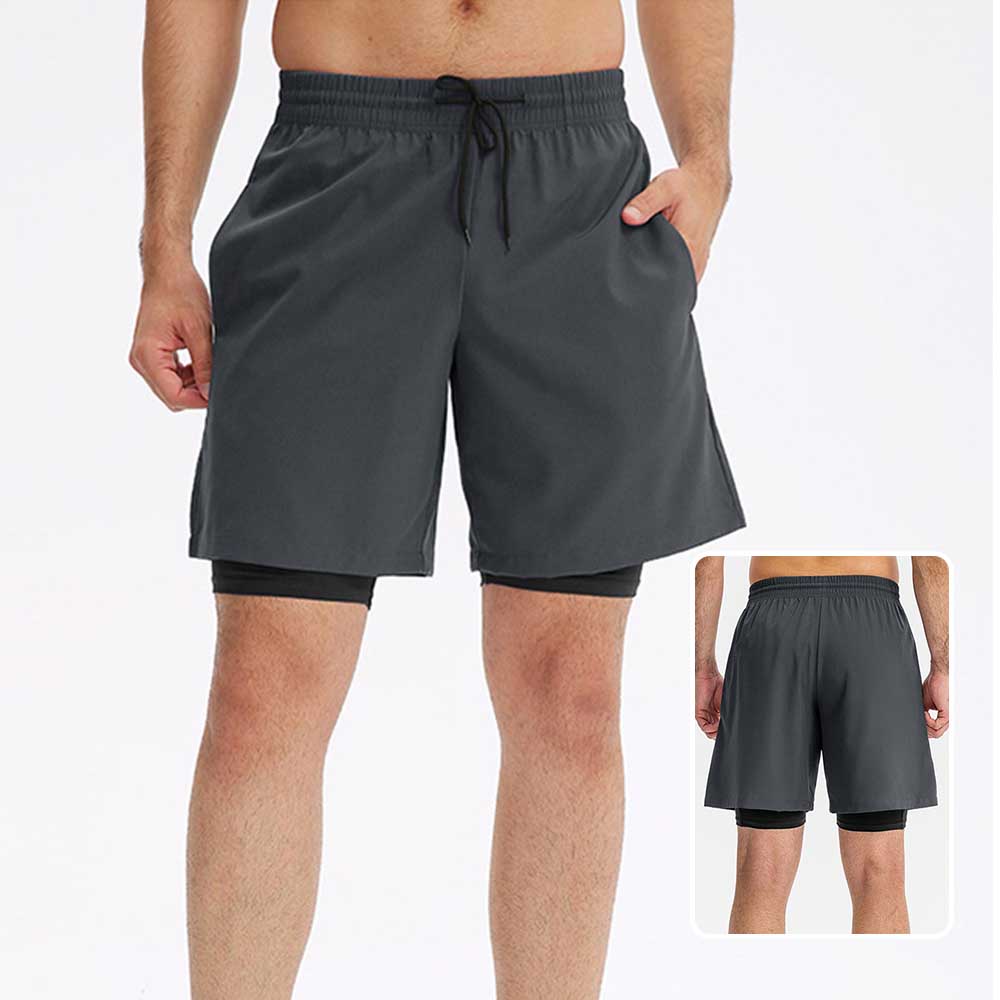
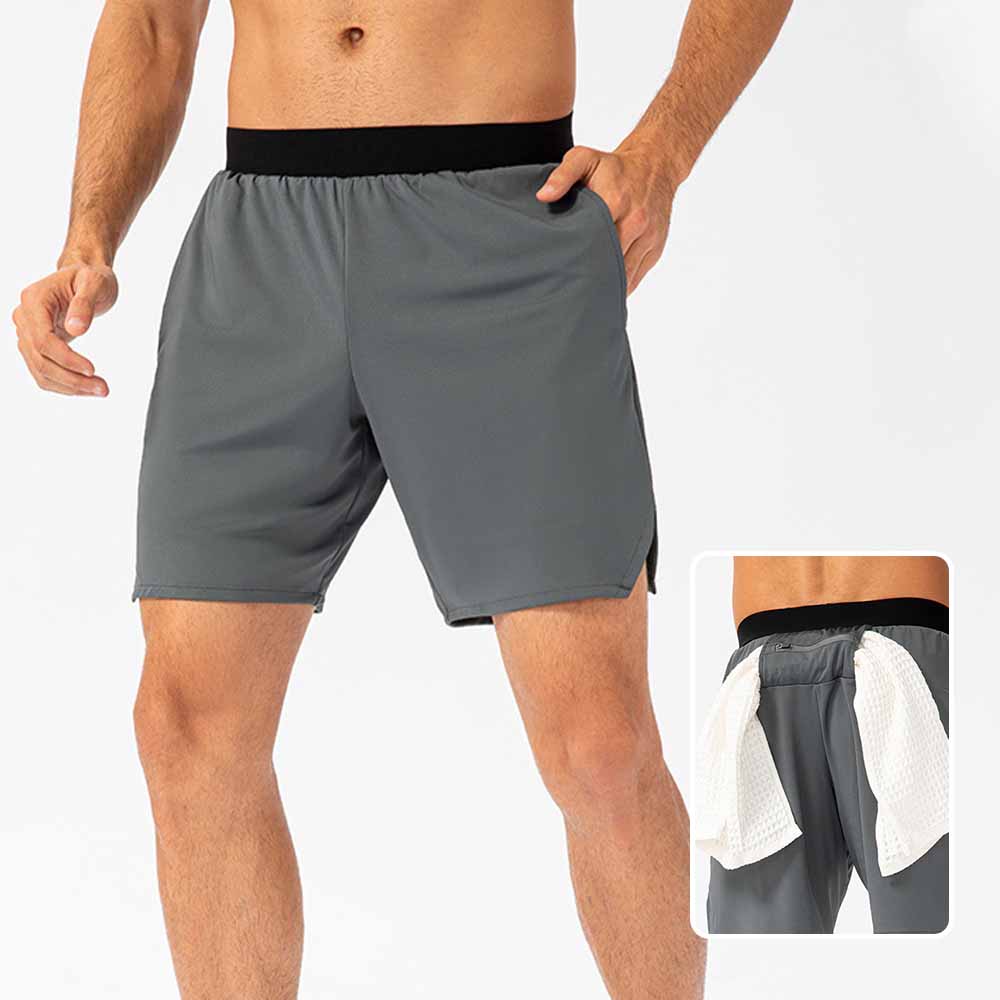
• Running shorts: Flexible construction, secure waistbands, and reduced friction.
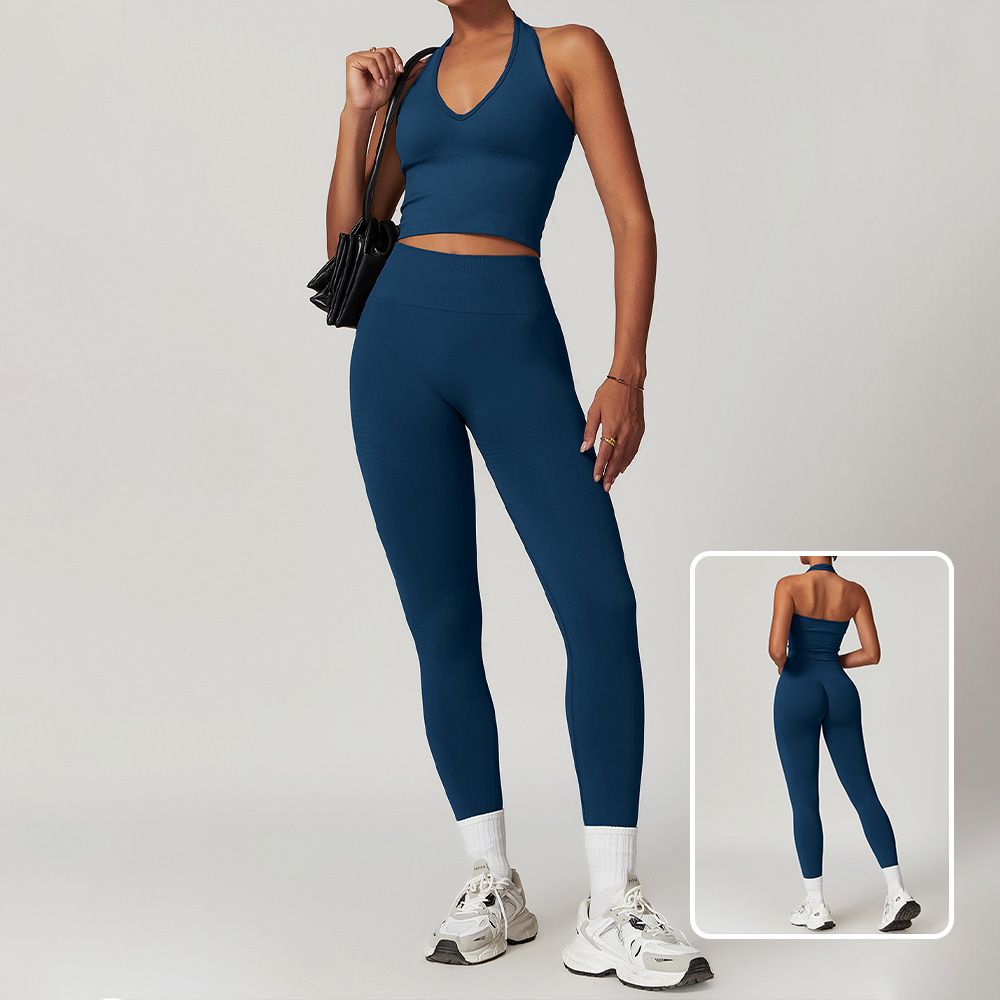
• Running leggings: Four-way stretch, reliable recovery, and supportive fit.
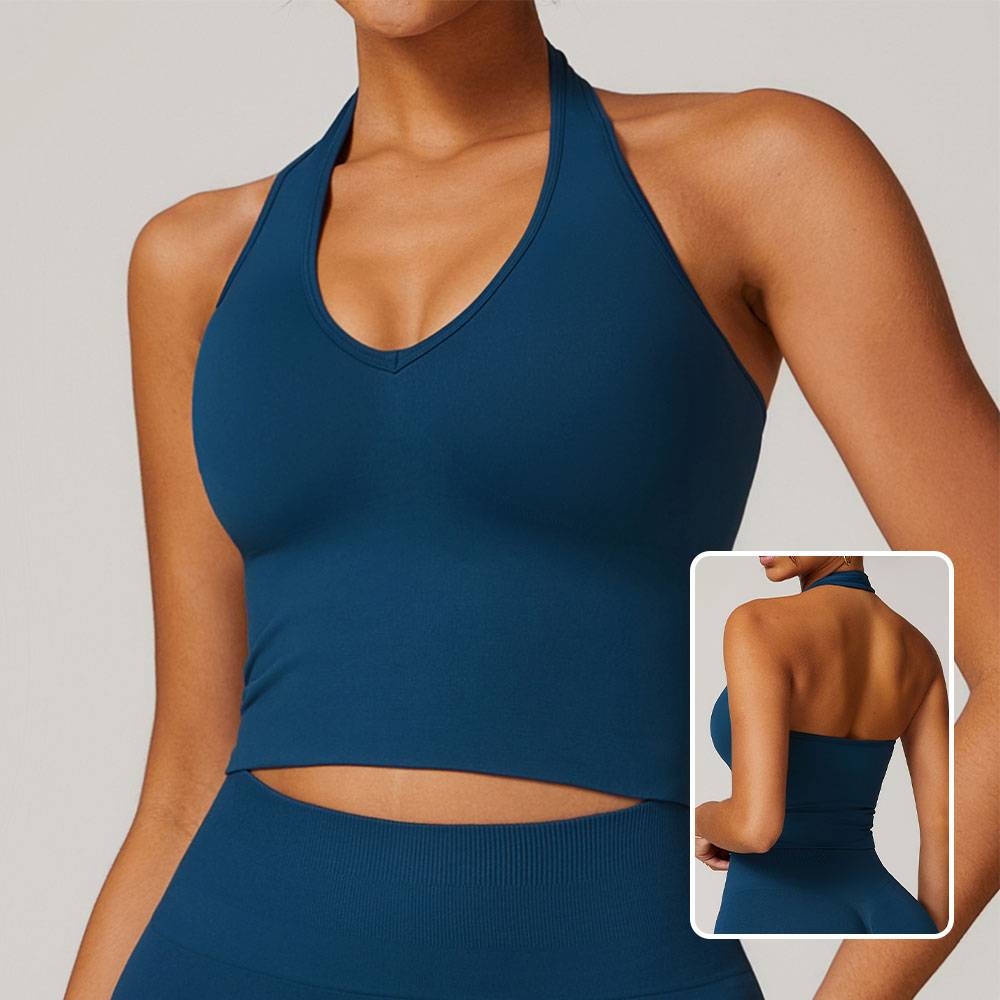
• Sports bras: Support suited to running, with fit and construction evaluated through movement testing. Fabric stretch alone does not establish the level of support.
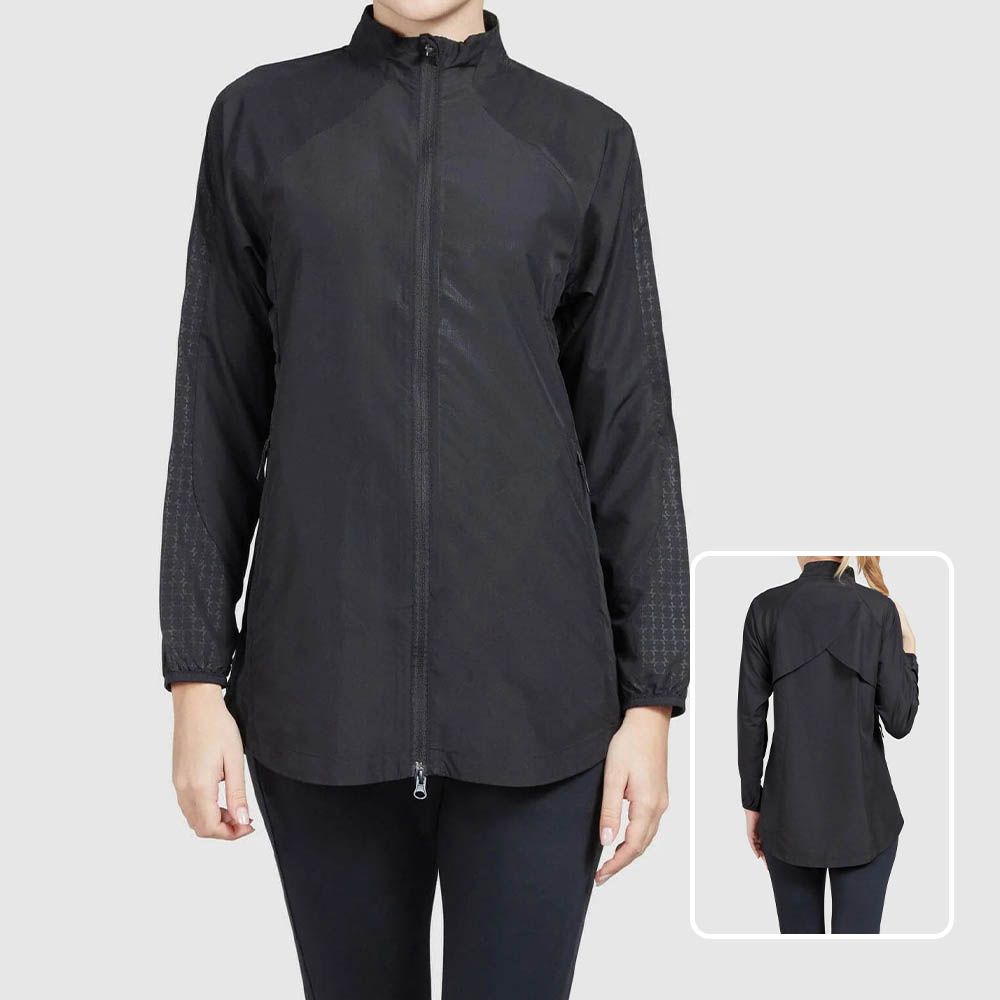
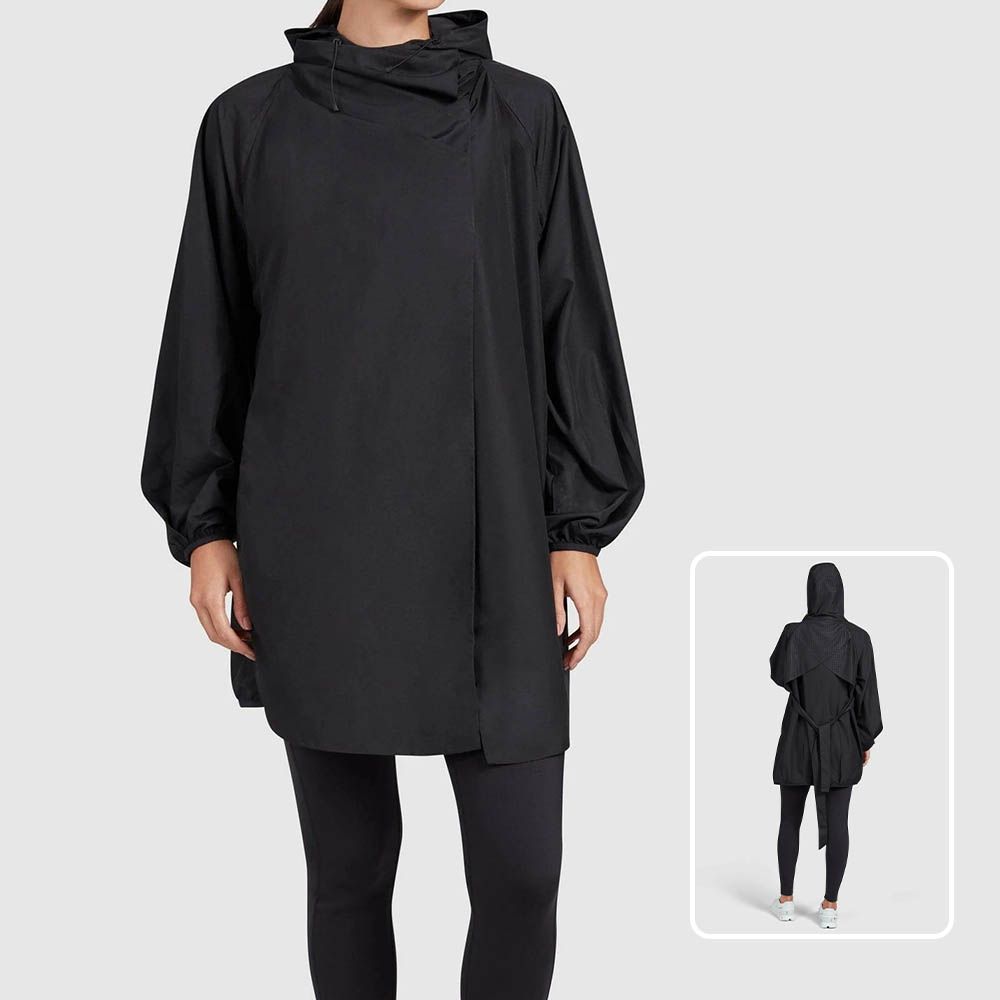
• Lightweight jackets: Breathable, packable designs for changing weather.
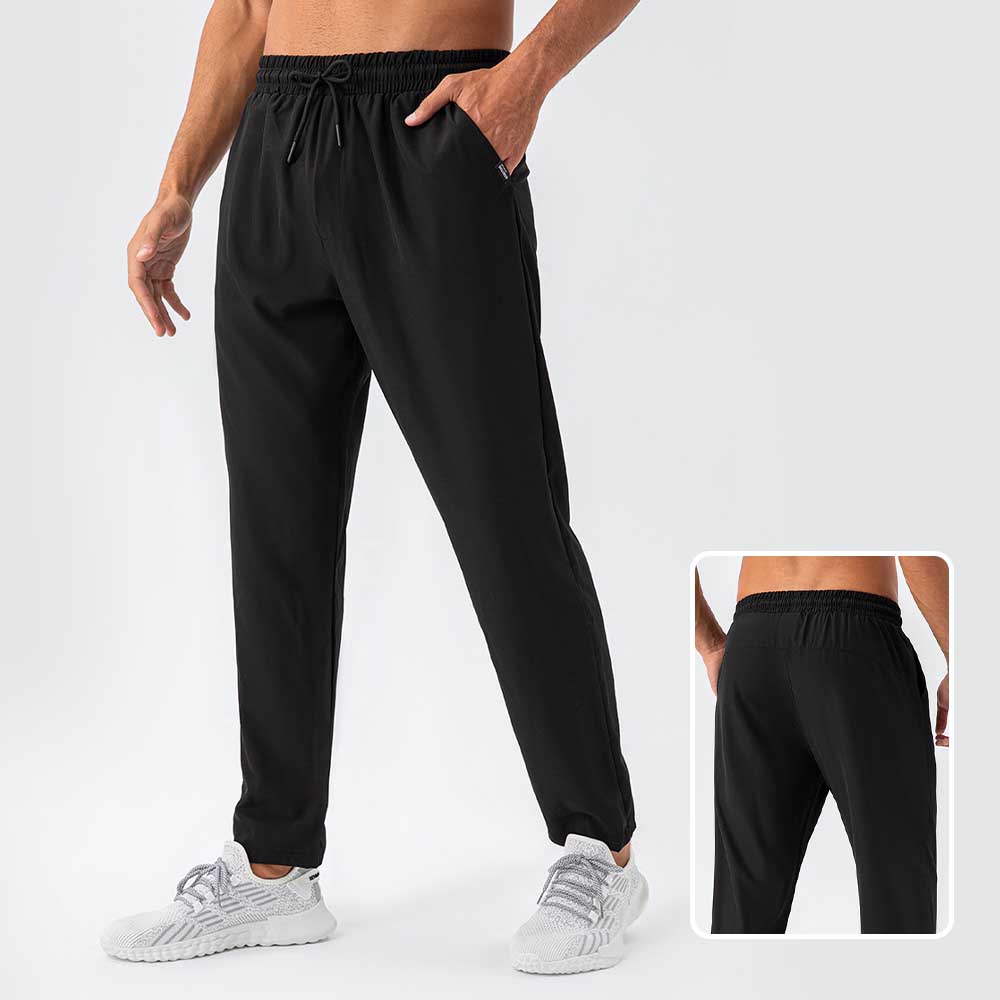
• Modest running wear: Full-coverage tops, breathable pants, and secure sports hijabs.
Brands do not need to launch every category at once. For an everyday running range, a T-shirt and shorts can form an initial capsule. For longer-distance use, secure storage and seam comfort may deserve additional attention. Where greater coverage is part of the brief, prioritize suitable tops, full-length bottoms and, where needed, sports hijabs. Treat these as starting options and confirm priorities through customer feedback and wear testing.
Which Fabrics Are Best for Running Clothes?
Choosing the right running clothing fabrics is essential for comfort and performance.
Polyester performance knits are often suitable for running shirts because they can provide lightweight construction and quick-drying performance.
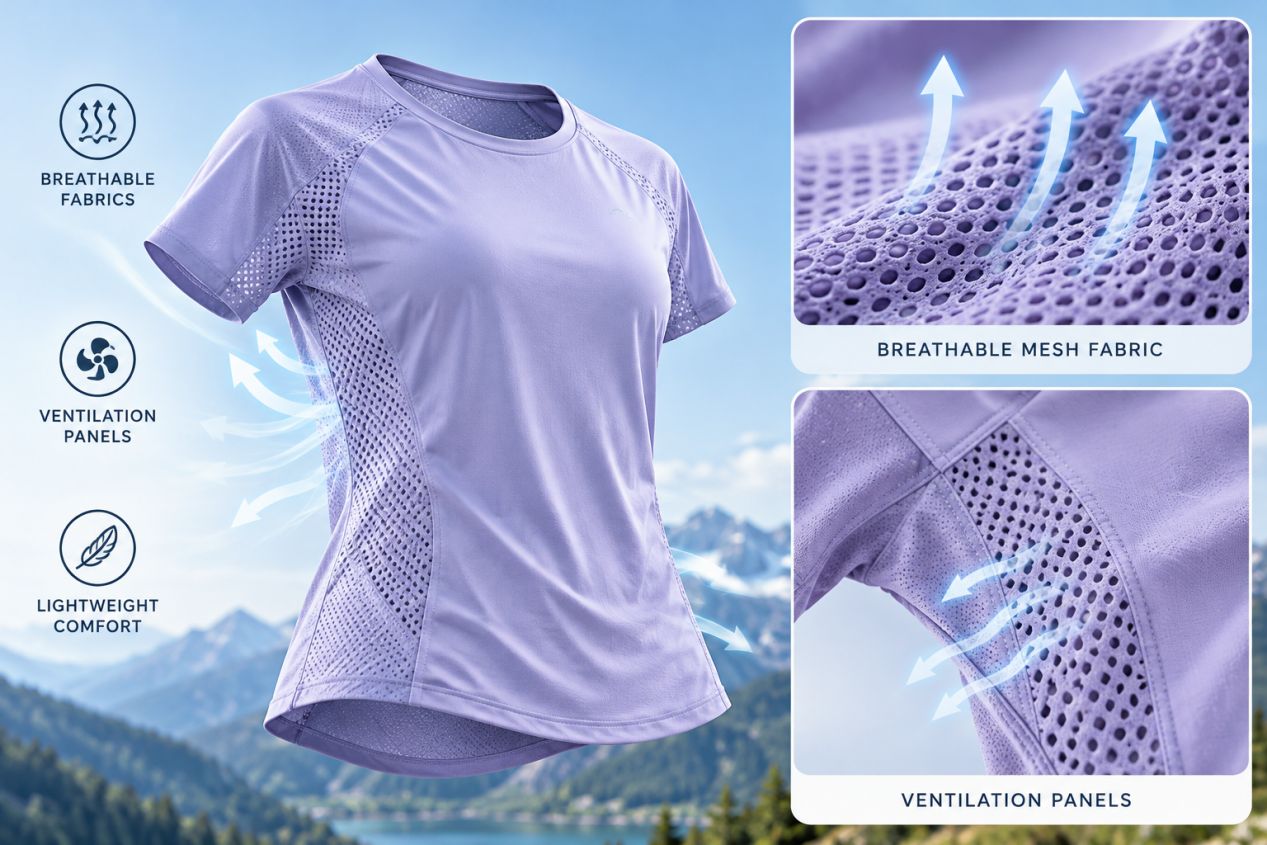
Nylon-elastane blends offer flexibility and stretch recovery, making them useful for running leggings and supportive garments. Engineered mesh fabrics can improve airflow in ventilation areas.
Running Fabric Comparison
|
Fabric type |
Key advantage |
Possible applications |
|
Polyester knit |
Quick-drying potential |
Running T-shirts |
|
Nylon-elastane |
Stretch and recovery |
Leggings, sports bras |
|
Polyester-elastane |
Flexibility |
Running shorts |
|
Breathable mesh |
Improved ventilation |
Running tops |
|
Lightweight woven polyester |
Low weight, wind protection options |
Running jackets |
Fabric performance also depends on GSM, yarn construction, fabric structure and finishing. For running shorts, evaluate the outer shell and any liner separately: lightweight woven fabrics may be considered for the shell, while stretch knits may be used for liners according to support and comfort requirements. For leggings and sports bras, support depends on garment fit and construction as well as fabric properties. Test fabric samples and finished garments before approving bulk production.
Cooling Running Apparel for Middle Eastern Markets
For activewear brands targeting Dubai, Riyadh, and Doha, heat and humidity are important considerations when selecting running apparel fabrics.
Lightweight fabrics, breathable knit structures, and effective moisture management can help improve comfort during exercise.
However, moisture-wicking and cooling performance are not the same. Moisture-wicking helps move sweat across a fabric, while breathability supports airflow and moisture-vapor movement.
Brands should evaluate drying performance and ventilation under relevant wearing conditions. Where a product makes a UV-protection claim, request suitable UPF test results for the actual fabric and intended use. Protection should not be inferred from fiber composition, fabric weight or color alone.
Modest Running Apparel: A Product Opportunity
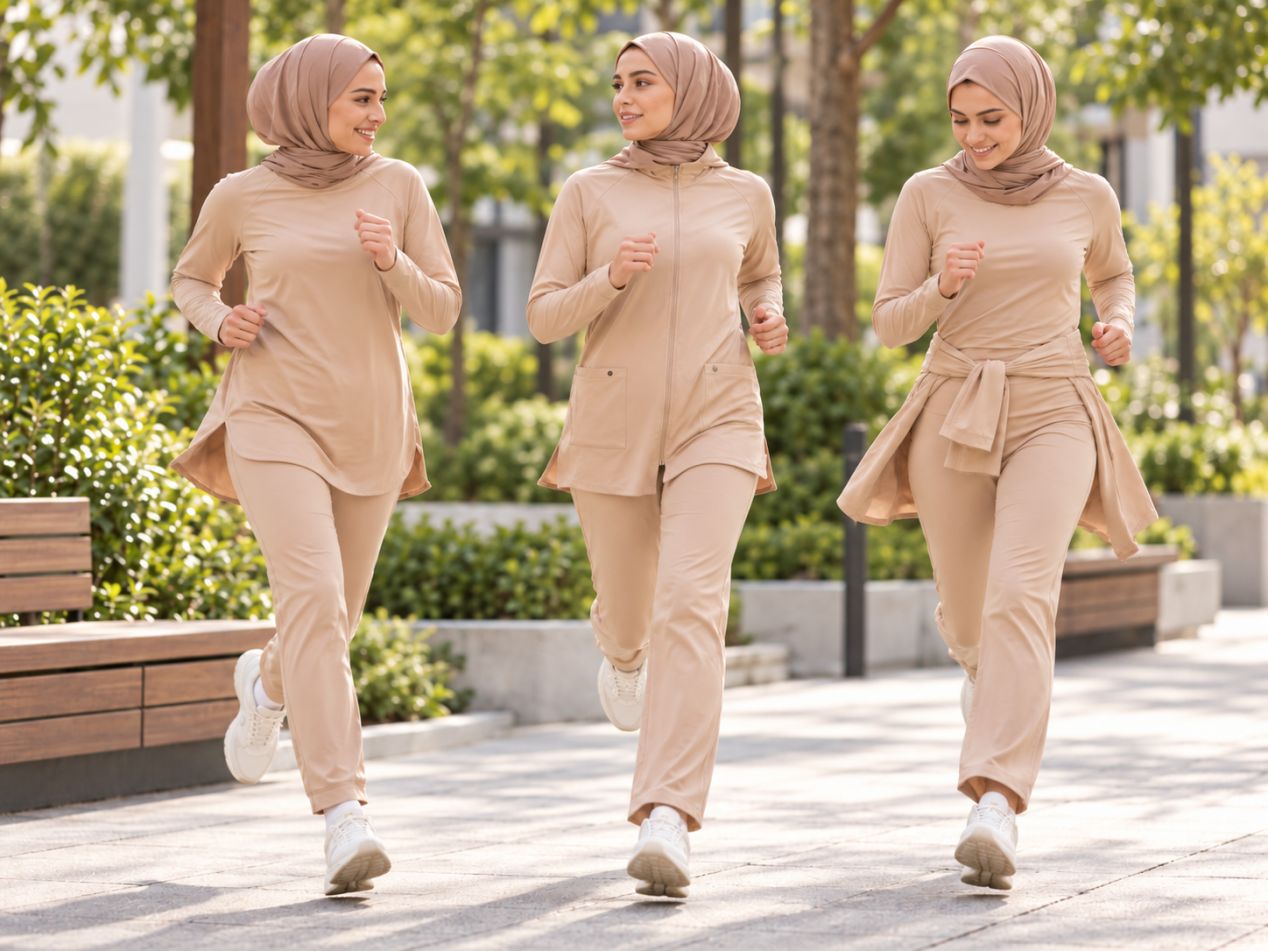
Modest running apparel offers an additional product-development opportunity for brands serving Middle Eastern customers.
Long-sleeve running shirts, full-length pants, and sports hijabs should provide coverage without unnecessary bulk or restricted movement.
Suitable fabrics should balance opacity, moisture management, lightweight comfort, and stretch.
For full-coverage garments, brands should evaluate fabric transparency during movement and ventilation in appropriate garment areas.
Why Do Fabric Construction and Quality Testing Matter?
Two running garments made from similar fabrics may perform differently because of seam construction, fit, and finishing.
Poorly positioned seams can cause friction, while inadequate stretch recovery may affect garment shape after repeated wear.
Before bulk production, brands should evaluate:
• Fabric GSM and air permeability
• Stretch and recovery performance
• Moisture management and drying speed
• Seam comfort and chafing risk
• Colorfastness and wash durability
Functional details such as secure pockets and adjustable waistbands can improve usability when their placement and fit are tested during running. Where reflective elements are included, evaluate their placement, attachment and performance after washing. Do not present reflective trim alone as a guarantee of visibility or safety.
Frequently Asked Questions About Running Apparel
Which features should brands prioritize when developing running apparel?
Priorities depend on the runner and intended conditions. Evaluate moisture management, drying behavior, seam comfort, fit and secure storage first, then consider features such as greater coverage, packability or tested UV protection where relevant to the product brief.
Which fabric is best for running clothes in hot weather?
Lightweight polyester performance knits and breathable fabrics are useful options. Actual comfort depends on moisture management, airflow, drying speed, and garment construction.
What should brands consider when manufacturing running apparel?
Brands should evaluate fabric performance, fit, seam comfort, durability, and functional details before approving samples for bulk production.
Conclusion
A useful running apparel collection starts with a defined customer and activity, then matches fabrics, garment construction and functional details to those requirements. Brands should validate comfort and performance through sample evaluation and wear testing before expanding the range.
For Middle Eastern markets, successful running apparel should balance breathable fabrics, moisture management, suitable coverage, and comfortable garment construction.
From lightweight running T-shirts and flexible shorts to supportive leggings and modest running sets, fabric selection and quality testing remain essential to successful product development.
As a China-based activewear manufacturer, Sansansunsports provides OEM, ODM, and MDMD services, supporting global brands with fabric sourcing, custom design, sampling, quality control, and bulk production.
Planning your next running apparel collection? Contact Sansansunsports to explore performance fabrics, custom designs, and reliable manufacturing solutions for your brand.
 Activewear Fabric Trends to Watch for 2027: A Material Planning Guide for Brands
 You May Also Like




 Tel
 WhatsApp
 Email
 Address
Room 202, No.130, Xianglong Street, Lubian, Chashan Town, Dongguan city, Guangdong Province


 Request a Custom Quote