 Inquire(

 HOME
Why Do Two Factories Quote Different Prices for the Same Activewear Design?
 2026-11-21

 Sansansun
Why Do Two Factories Quote Different Prices for the Same Activewear Design?
Same leggings design. Same reference photos. But two factories offer very different prices. Why?
For growing DTC activewear brands, comparing manufacturing quotations can be confusing. A lower price may look attractive, but it does not always mean better value.
Activewear manufacturing costs depend on fabric specifications, material consumption, garment construction, order quantities, and quality requirements. Two factories may interpret the same design differently, resulting in different quotations. Even when specifications and service scope match, differences in labor costs, operating overhead, production efficiency, capacity availability, and profit margins can still lead to different prices.
Understanding these differences helps brands compare suppliers fairly, control development costs, and make better sourcing decisions.
Same Design, Different Fabric Costs
Fabric is often a major cost component in activewear manufacturing.
Two leggings fabrics may both contain 75% nylon and 25% spandex but have different prices because of their construction and performance.
Important differences include GSM (fabric weight), yarn quality, usable width, stretch recovery, opacity, and surface finishing.
For example, a 220 GSM stock fabric and a 250 GSM custom-developed fabric are not equivalent, even with identical fiber compositions.
Buyer tip: Ask both manufacturers to quote using the same approved fabric specifications, not just reference photos.
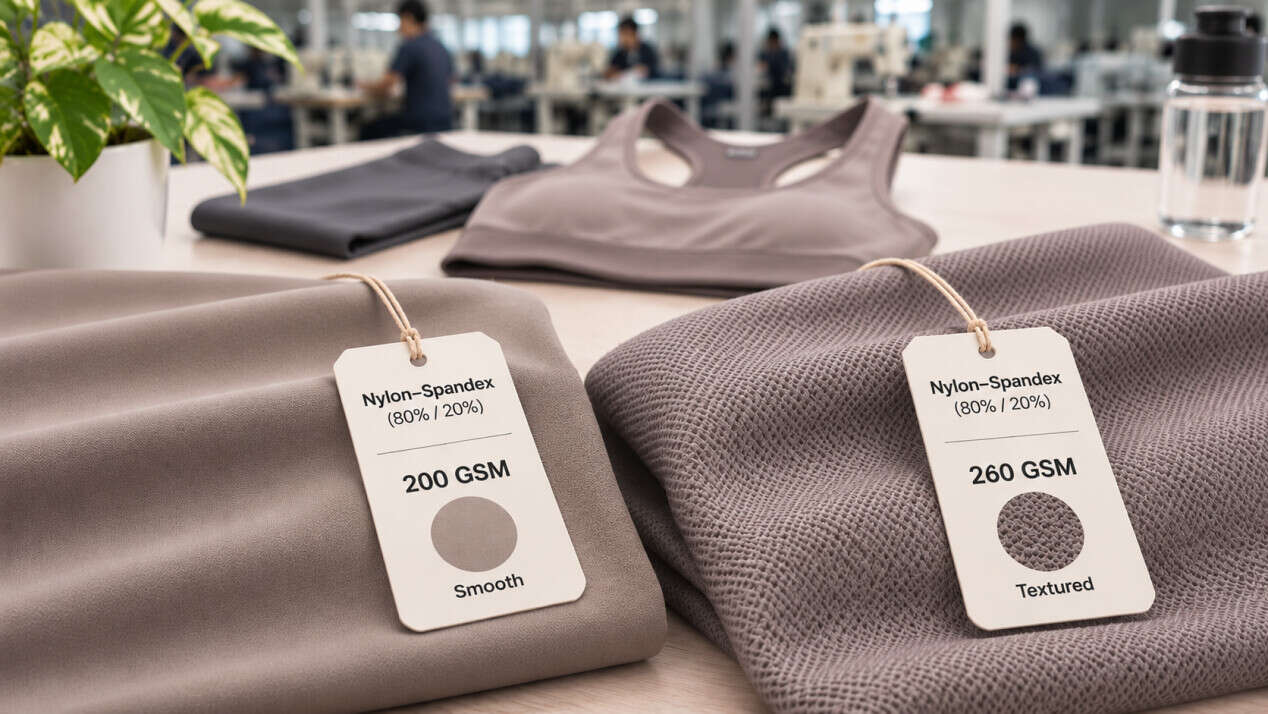
Illustrative fabric comparison. The labels shown in the image are separate examples from the specifications discussed above and do not represent verified product test results.
Fabric Consumption Changes the Final Price
Even when factories select the same fabric, they may calculate different material requirements.
Fabric consumption depends on pattern dimensions, fabric width, size distribution, shrinkage allowances, and cutting efficiency.
A marker is the layout of garment pattern pieces arranged across the fabric width to minimize waste.
Consider this illustrative example:
|
Cost factor |
Factory A |
Factory B |
|
Fabric consumption per leggings |
1.20 m |
1.30 m |
|
Order quantity |
300 pcs |
300 pcs |
|
Total fabric consumption |
360 m |
390 m |
At an assumed fabric price of $8 per meter, the 30-meter difference represents $240 in additional material cost.
These figures are hypothetical and assume the same fabric specification, usable width, order size breakdown, and basis for shrinkage and cutting-loss allowances. Actual consumption must be checked against approved patterns and marker calculations. Lower estimated consumption alone does not prove better efficiency; confirm that all garment panels and necessary allowances are included.
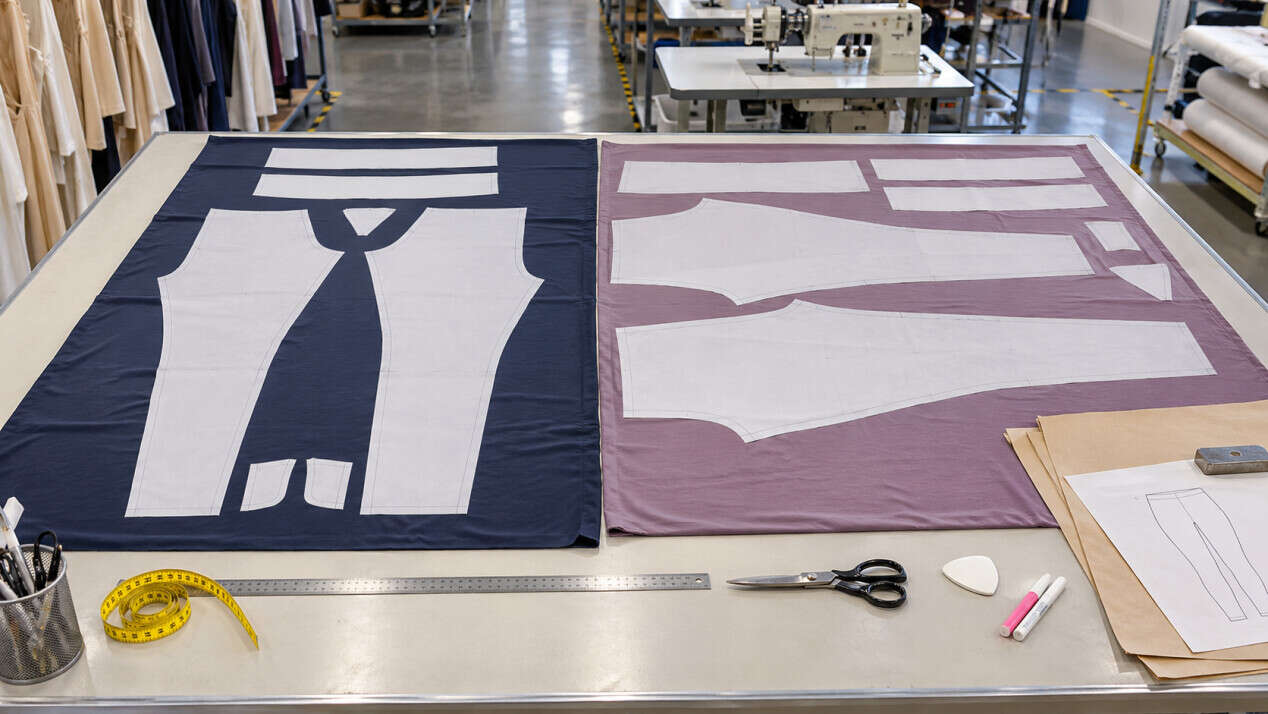
Garment Construction Affects Sewing Costs
Two leggings may look identical in photographs but require different manufacturing operations.
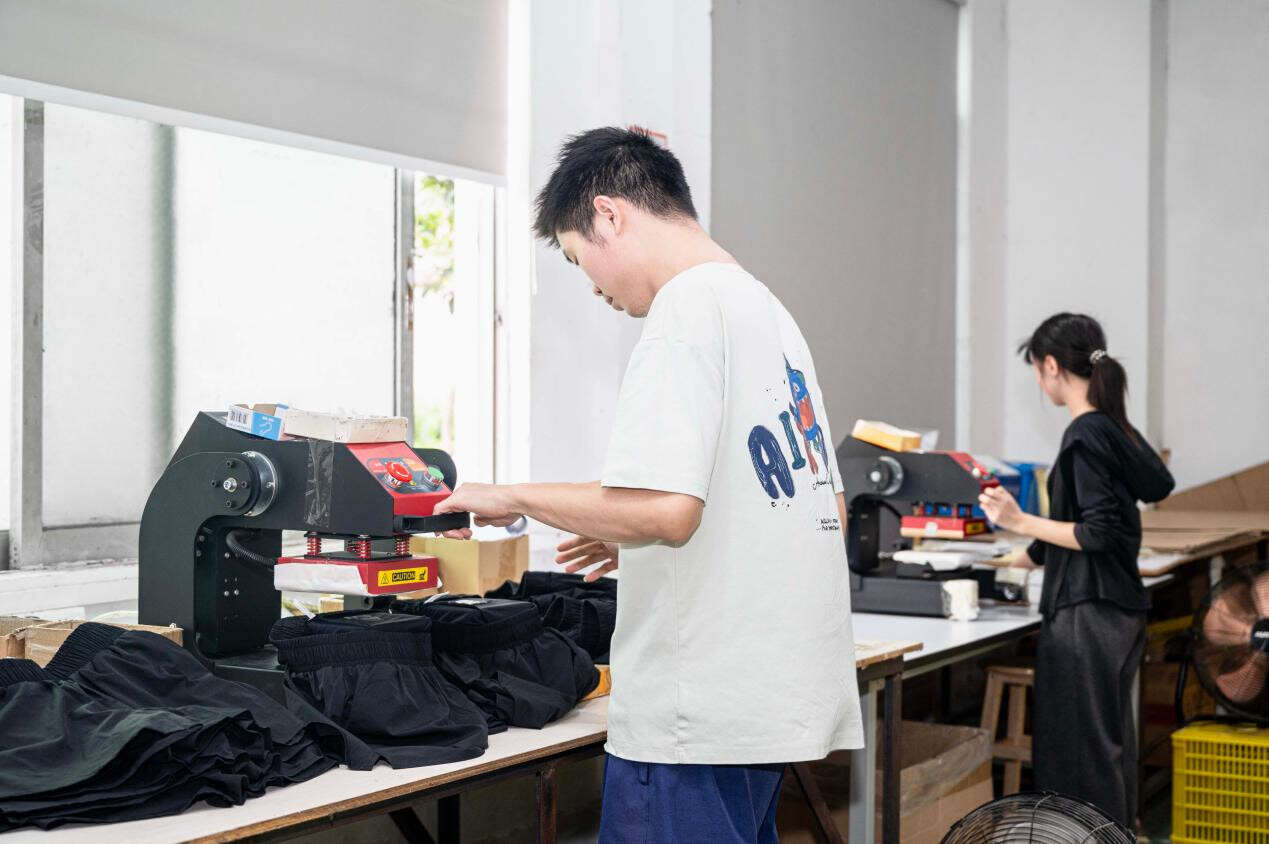
Waistband construction, gusset design, seam type, pockets, and reinforcement all influence production time.
For example, a basic waistband generally requires fewer operations than a contoured waistband with additional elastic and reinforcement.
Flatlock stitching may also require different equipment and production procedures from standard overlock construction.
For growing brands, construction details should be confirmed before requesting final quotations.
Custom Branding and Trims Add to Production Costs
Small garment components can create meaningful price differences.
Custom elastic, woven labels, heat-transfer logos, silicone branding, zippers, and packaging all contribute to production costs.
One factory may include custom labels and individual packaging, while another quotes only basic garment construction.
Brands should prepare a Bill of Materials (BOM) listing every required fabric, trim, branding element, and packaging component.
This helps manufacturers prepare quotations based on the same product requirements.
Order Quantity, Colors, and Quality Requirements
A 600-piece order in one color may cost differently from 600 pieces divided into six colors.
Multiple colorways can involve additional sourcing, color approvals, production preparation, and inventory management.
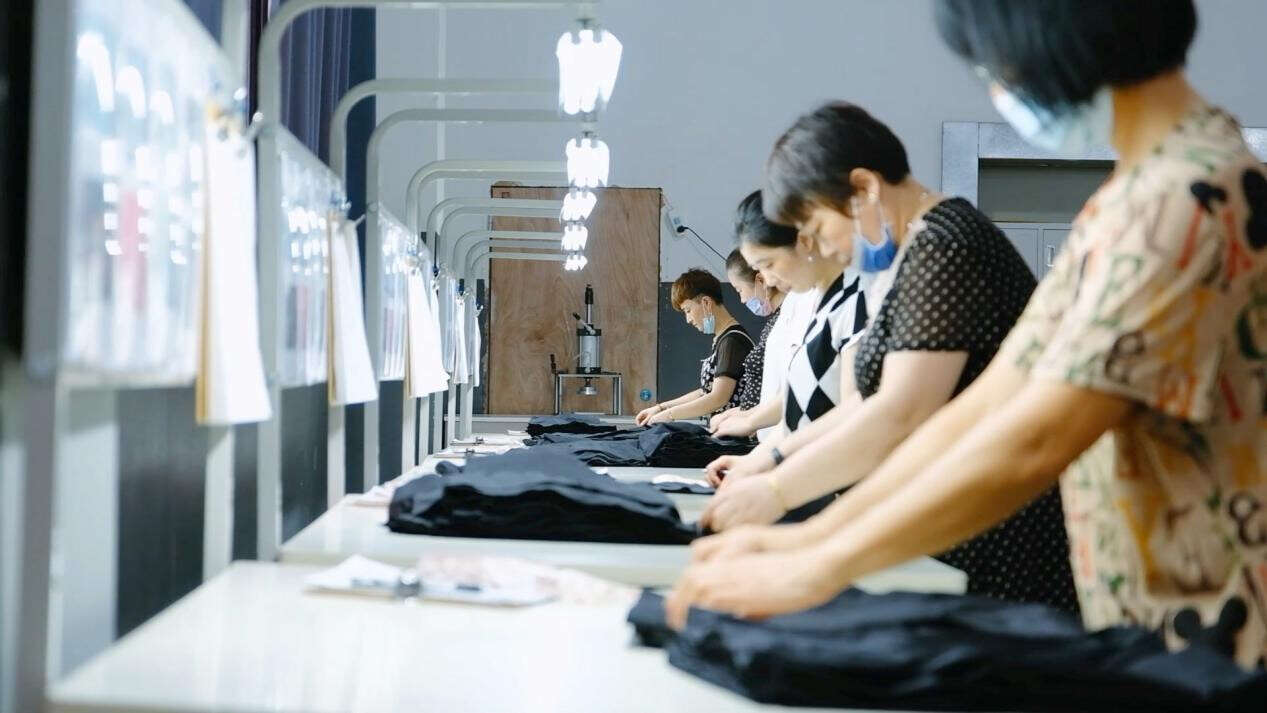
Quality requirements also affect quotations. Additional measurement inspections, fabric testing, or third-party assessments may introduce extra costs.
For brands targeting the UAE, Saudi Arabia, Europe, and the USA, requirements such as fabric opacity, color consistency, and garment durability should be specified according to the intended product and market.
Are Both Factories Quoting the Same Services?
A quotation comparison is only meaningful when both suppliers include the same work.
One supplier may offer cutting and sewing services, while another includes fabric sourcing, sampling, custom branding, packaging, and other production support.
Buyers should confirm whether quotations cover:
• Fabric, trims, and manufacturing
• Samples and pattern development
• Logo applications and packaging
• Inspection and agreed testing
• Delivery terms and export arrangements
Compare quotations in the same currency and on the same delivery basis. If Incoterms® 2020 rules are used, specify the chosen rule and the named place or port. Confirm which freight, insurance, clearance, duty, and tax costs are included or excluded. Record payment terms, quotation validity, production lead time, and any one-time development charges separately. A garment unit price is not the same as the total landed cost.
Choosing the Right Activewear Manufacturer Beyond Price
The cheapest factory is not automatically the best choice, and a higher quotation does not guarantee better quality.
Growing brands should ask suppliers to explain the main cost differences.
Could an available fabric meet the same requirements? Can unnecessary construction complexity be reduced? Would adjusting color quantities improve production efficiency?
At SANSANSUNSPORTS, our OEM, ODM, and MDMD services support fabric selection, product development, sampling, manufacturing, and delivery planning.
For growing DTC brands, clear product specifications and production requirements help establish a more meaningful quotation from the beginning.
Frequently Asked Questions
Why do activewear factories quote different prices for the same design?
Differences may result from fabric quality, consumption calculations, sewing methods, branding requirements, order quantities, and included services.
Does a higher manufacturing price mean better quality?
Not necessarily. Buyers should compare material specifications, workmanship, testing requirements, and approved samples.
Can smaller activewear brands reduce manufacturing costs?
Potentially. Using suitable stock fabrics, simplifying selected details, and planning quantities efficiently may help control costs without removing essential quality requirements.
What should brands provide when requesting an activewear quotation?
Share reference designs, fabric requirements, technical specifications, target quantities, size breakdowns, colors, branding details, and packaging requirements.
Conclusion
Two factories can quote different prices for the same activewear design because they may be calculating different manufacturing solutions.
Fabric selection, material consumption, construction, customization, order planning, and quality requirements all influence the final cost.
For growing activewear brands, the goal should not simply be finding the lowest quotation. It should be understanding what each supplier includes and whether the proposed manufacturing solution matches the brand's product expectations.
SANSANSUNSPORTS is a China-based activewear manufacturer supporting international brands through OEM, ODM, and MDMD services.
Planning your next leggings, sports bra, gymwear, or modest activewear collection? Contact SANSANSUNSPORTS with your design references, fabric preferences, and estimated order quantities to discuss your custom manufacturing quotation.
 Why Two Fabrics with the Same Composition Feel Different
 You May Also Like




 Tel
 WhatsApp
 Email
 Address
Room 202, No.130, Xianglong Street, Lubian, Chashan Town, Dongguan city, Guangdong Province


 Request a Custom Quote