
 Inquire(

 HOME
Developing a Modal-Blend Pilates Collection
 2026-11-12

 Sansansun
Developing a Modal-Blend Pilates Collection
Softness is an important consideration when developing a premium Pilates collection. Modal blends are often considered for their smooth texture, comfortable feel, and natural drape.
However, a fabric that feels excellent as a swatch may behave differently once it becomes a finished garment. Pilates leggings, studio tops, and low-impact sports bras each require different levels of stretch, recovery, coverage, and support.
At SANSANSUNSPORTS, we help activewear brands turn fabric concepts into finished products through material selection, sampling, fit testing, and manufacturing.
Why Choose Modal Blends for a Pilates Collection?
Modal is a regenerated cellulose fiber known for its softness, smooth surface, and moisture absorption.
For Pilates collections focused on comfort, gentle movement, and everyday wear, Modal blends can offer several advantages:
• Softness: A comfortable feel against the skin.
• Natural drape: Suitable for relaxed studio tops and layering pieces.
• Moisture absorption: Modal fibers can absorb moisture, but this alone does not establish how quickly a finished fabric transports liquid sweat or dries. Evaluate these properties separately for the intended activity.
• Versatility: Supports studio-to-everyday clothing designs.
However, Modal fabrics vary in composition, weight, and construction. A Modal-spandex blend suitable for a studio top may not provide the recovery or coverage needed for fitted leggings.
Selecting the right fabric starts with understanding the intended garment.
Why Soft Fabric Does Not Always Mean Better Activewear Performance
A soft fabric swatch can create a positive first impression, but softness alone does not determine activewear performance.
Once the fabric is cut, sewn, and stretched during movement, other characteristics become important.
For example, fabric with insufficient stretch recovery may lose its intended shape after repeated wear. Lightweight fabric may also become more transparent when stretched.
Before approving a Modal blend, brands should evaluate:
• Stretch and recovery
• Opacity during movement
• Shape retention after washing
• Comfort and dimensional stability
These evaluations help determine whether the fabric can meet the requirements of the finished garment. Agree on test methods and acceptance criteria before approving samples.
For fitted leggings, assess opacity in the intended colors and sizes during bending and stretching, including damp conditions relevant to use. Compare measurements, recovery, surface appearance, and seam condition before and after the agreed wash-and-dry cycles. Include pilling and rubbing colorfastness checks where relevant. Record the results against the approved sample rather than relying only on the initial handfeel.
How Fabric Requirements Differ for Pilates Tops, Leggings, and Sports Bras
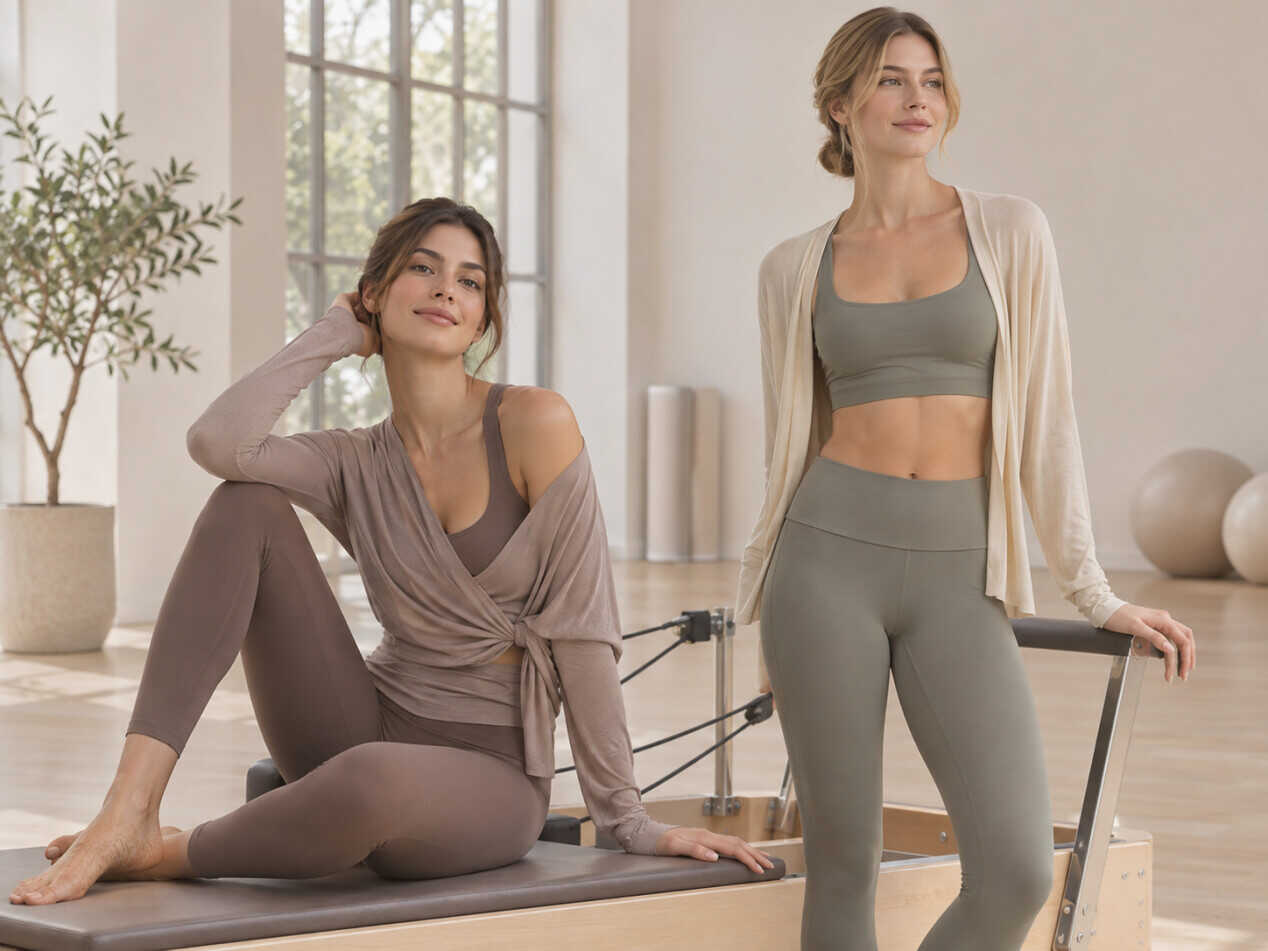
Although a Pilates collection may share the same colors and design direction, each garment has different functional needs.
Pilates Studio Tops
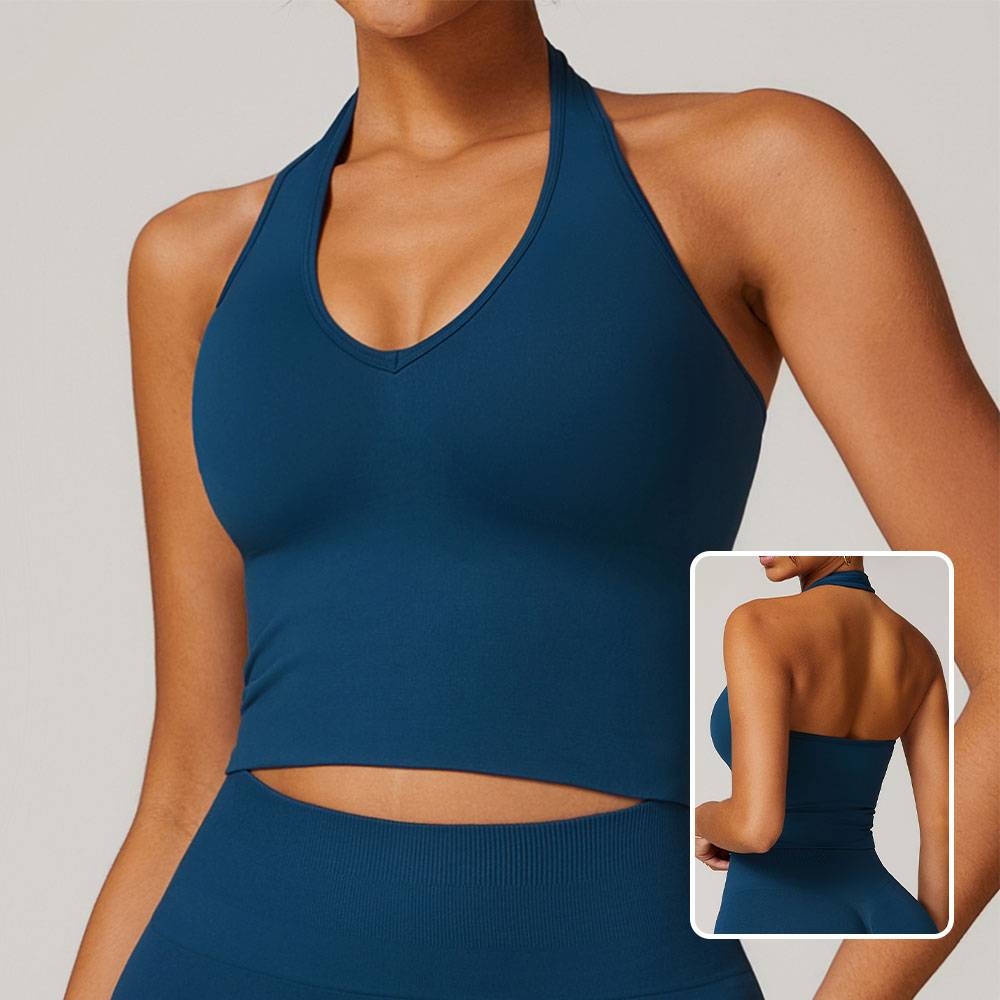
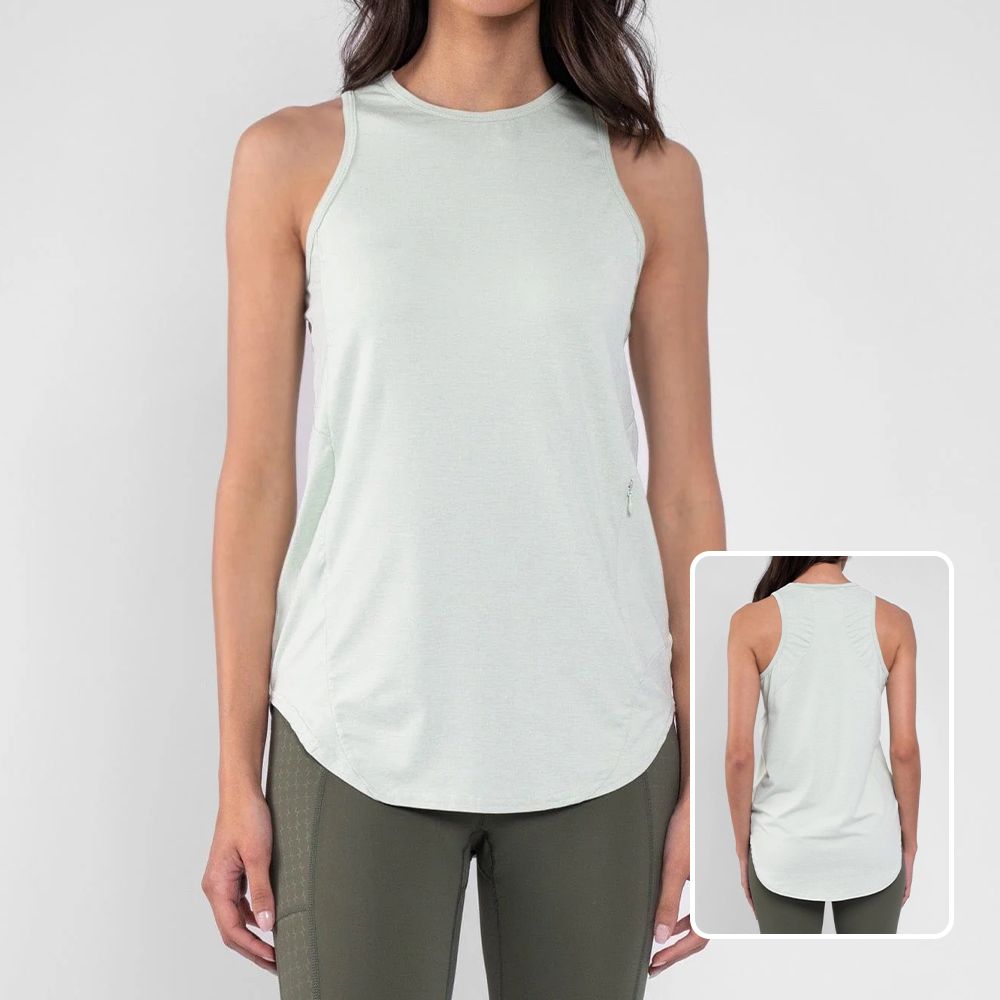
Softness, drape, and flexibility are key considerations. Modal blends can be suitable for fitted tops, relaxed tanks, and comfortable layering pieces.
Pilates Leggings
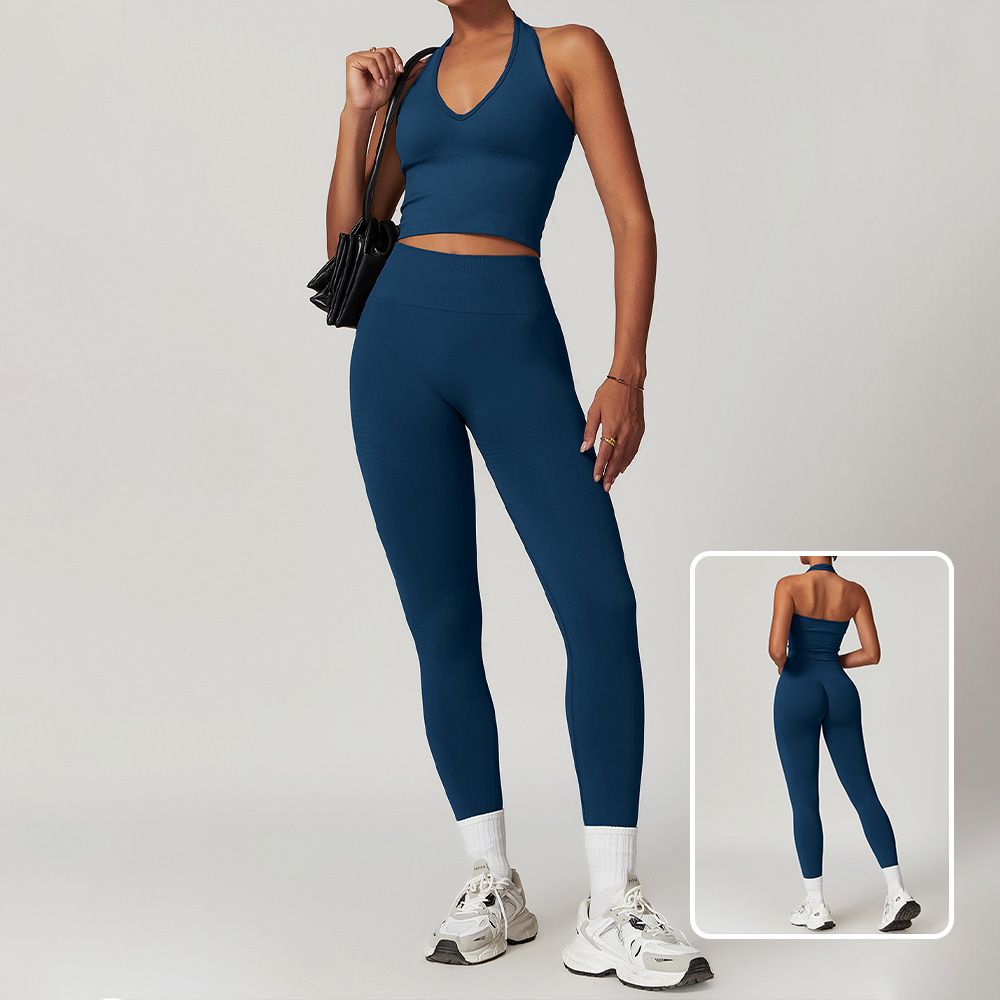
Leggings require sufficient stretch recovery, opacity, and waistband stability. The selected Modal blend should be tested during bending, stretching, and other Pilates movements.
Low-Impact Sports Bras
Pilates bras need comfortable support and a secure fit. Fabric recovery, lining, underband construction, and strap design all influence garment performance.
A coordinated collection does not necessarily require identical fabrics. Choosing materials based on each garment's function can improve the overall result.
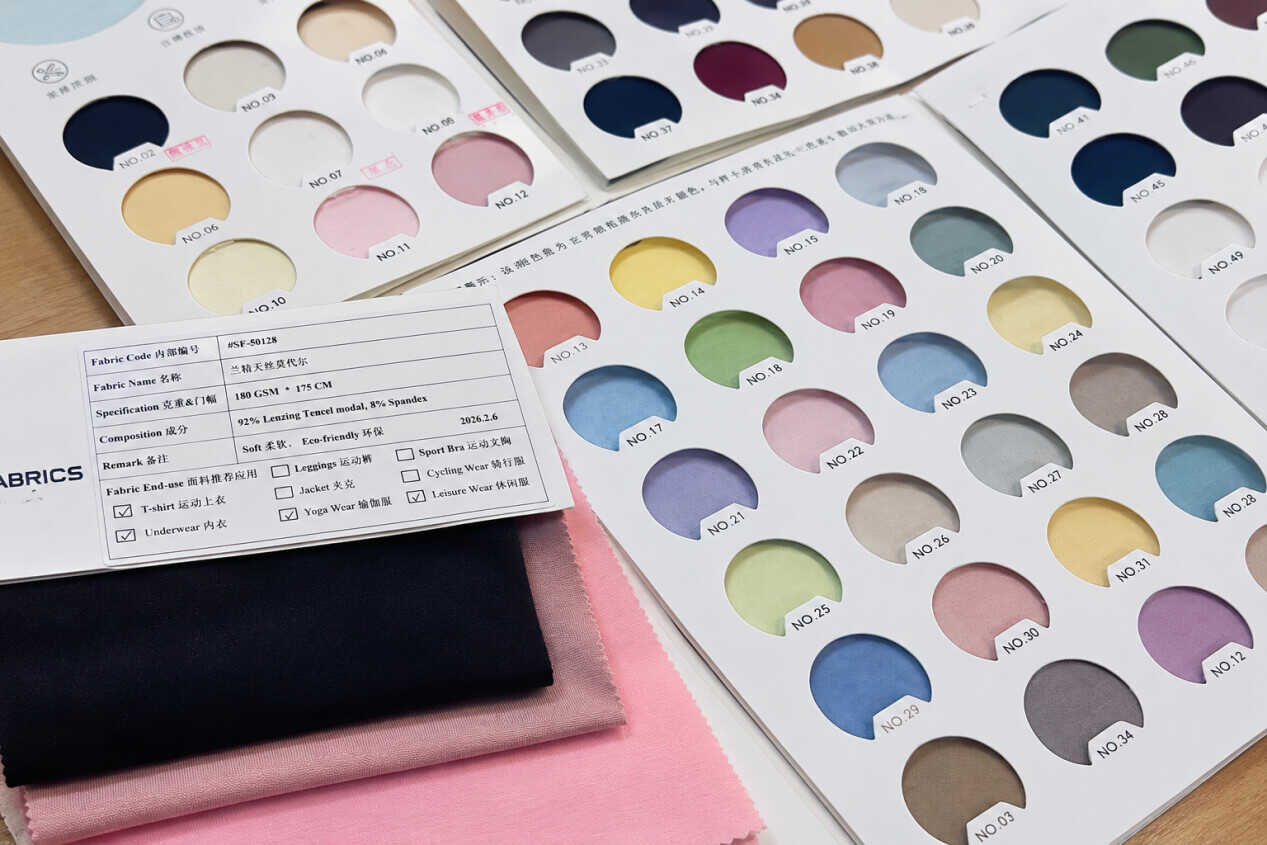
From Modal Fabric Selection to the First Garment Samples
After identifying suitable fabrics, the next step is translating the design concept into wearable samples.
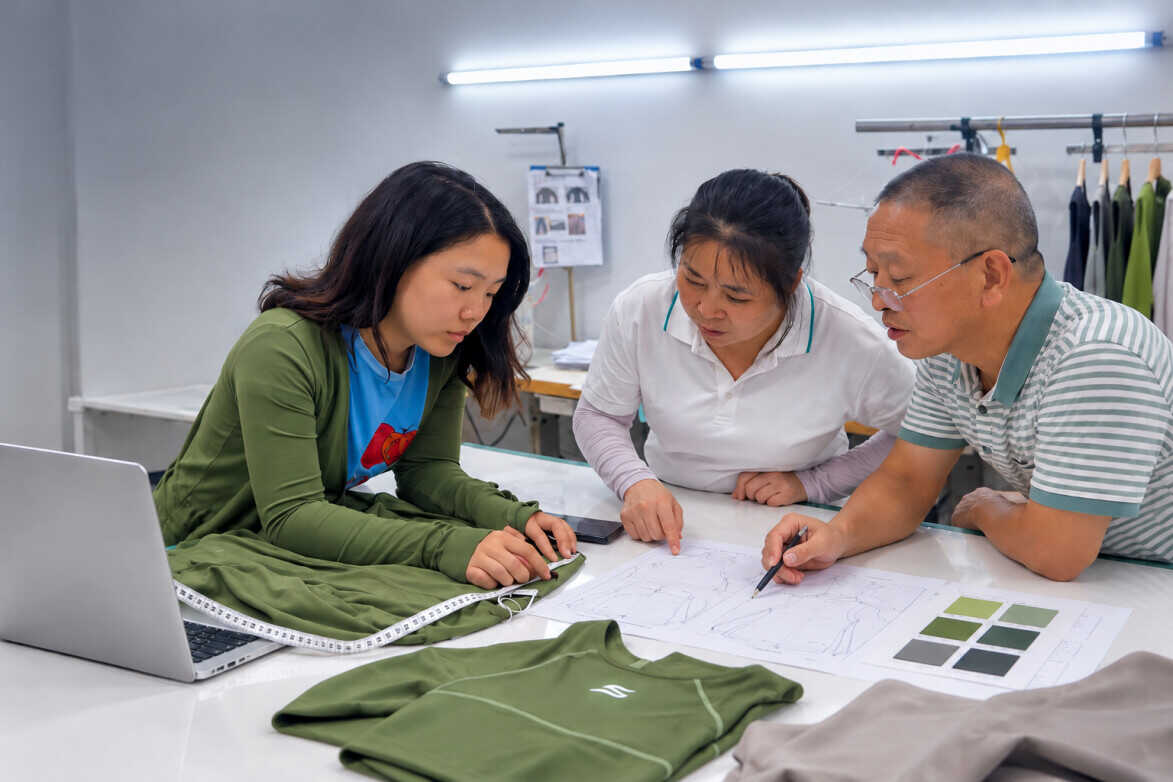
At SANSANSUNSPORTS, the development process begins by reviewing the brand's product requirements, fabric preferences, design specifications, and target fit.
The sampling process generally includes:
1. Fabric evaluation: Checking composition, weight, stretch, and recovery.
2. Pattern development: Preparing patterns based on garment specifications.
3. Sample construction: Cutting and sewing the selected materials.
4. Initial evaluation: Reviewing fit, appearance, comfort, and construction.
The first sample reveals how the selected Modal blend behaves in an actual garment and identifies areas that may require improvement.
How Fit Testing and Sample Revisions Improve the Final Product
Even with careful fabric selection, initial samples may need adjustments.
For Pilates leggings, the development team may refine waistband tension, fit measurements, or fabric choice to improve coverage and shape retention.
For studio tops, adjustments may involve neckline shape, garment length, or overall drape. Low-impact bras may require changes to the underband, straps, or lining.
Fit testing helps evaluate these details during realistic movements rather than judging garments only by appearance. Include wearers who represent the intended size range and body proportions. For bras, assess support and comfort across the intended bust sizes, checking underband movement, strap pressure, and coverage during the planned Pilates movements. A low-impact product description should not replace garment-level fit and support evaluation.
Sample revisions allow brands and manufacturers to resolve potential issues before approving the final design for production.
From Approved Samples to Finished Pilates Activewear
Once the samples meet the brand's requirements, confirm the production specification before bulk manufacturing. This should identify the approved fabric and color, garment measurements and tolerances, construction details, trims, care instructions, and agreed quality checks. Retain an approved reference sample, and agree on how any changes to materials or construction will be reviewed before they are used in production.
Maintaining consistency between approved samples and finished garments is essential.
Important production checks include garment measurements, stitching quality, fabric appearance, construction details, and washing performance.
At SANSANSUNSPORTS, our development and manufacturing teams support brands through fabric sourcing, sample refinement, quality control, and production.
By connecting material selection with practical garment development, we help brands create Pilates collections that balance softness, comfort, and functionality.
FAQ
Is Modal suitable for Pilates leggings?
Yes, certain Modal blends can work for low-impact leggings when they provide sufficient recovery, coverage, and stability.
Can Modal blends provide enough stretch for activewear?
Yes. Modal blended with elastane can offer stretch, but recovery and performance depend on the full fabric construction.
What is the difference between Modal and TENCEL™ Modal?
Modal is a fiber category, while TENCEL™ Modal is a branded Modal fiber manufactured by Lenzing.
Why do Pilates samples require revisions?
Revisions help improve fit, fabric performance, garment proportions, and construction before bulk production.
Conclusion
Developing a Modal-blend Pilates collection involves more than choosing a soft fabric. Every stage, from material evaluation to sample testing and bulk production, contributes to the final garment's performance.
With the right development process, brands can create Pilates activewear that combines comfort, thoughtful design, and consistent quality.
Planning your next Pilates collection?
Partner with SANSANSUNSPORTS to explore fabric options, develop custom samples, and bring your activewear collection into production.
 Activewear Trends 2027: What Should Growing Brands Add to Their Collections?
 You May Also Like




 Tel
 WhatsApp
 Email
 Address
Room 202, No.130, Xianglong Street, Lubian, Chashan Town, Dongguan city, Guangdong Province


 Request a Custom Quote